What Airbrush Orange Peel Looks Like, and What It Is Not
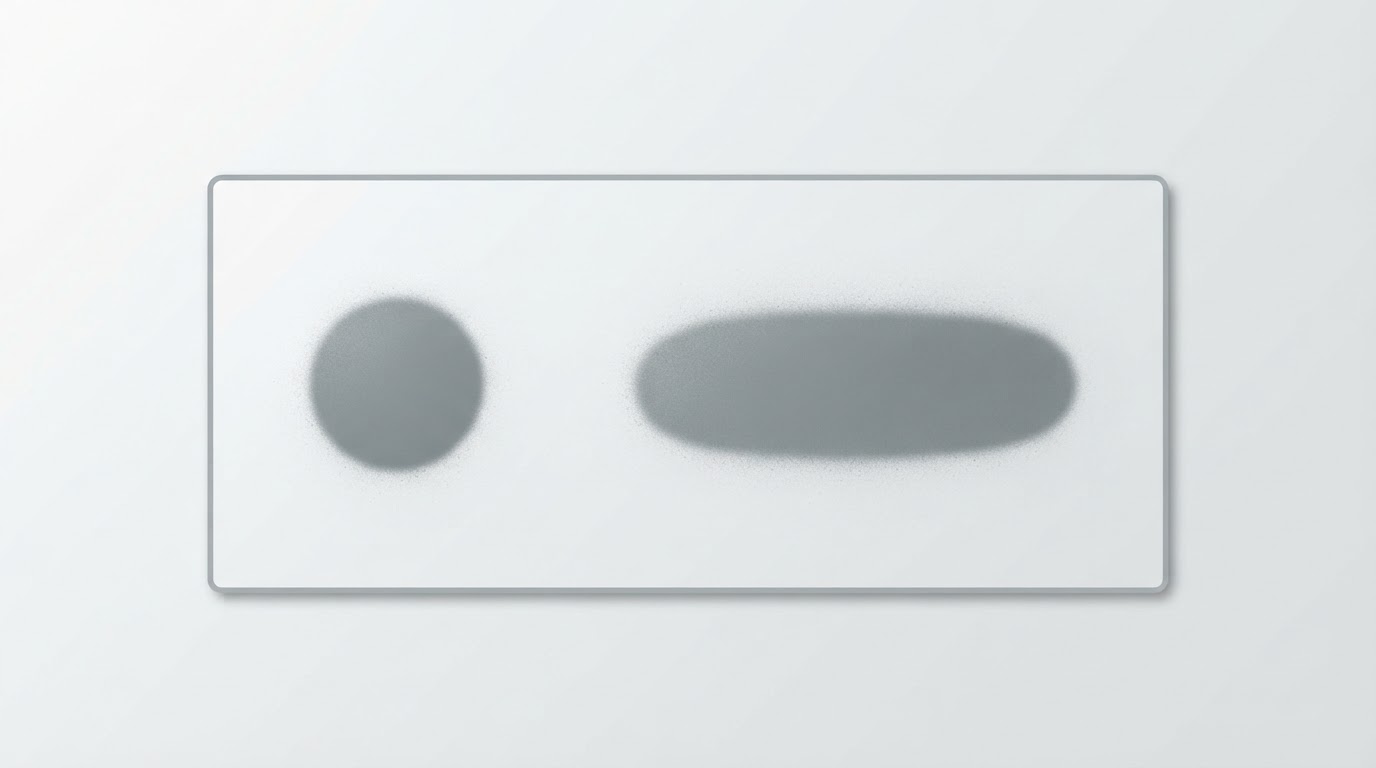
Airbrush orange peel is a pebbled, uneven paint film that resembles the skin of an orange. PPG's automotive refinish reference describes the cause as paint droplets failing to coalesce on the surface: they stay as individual raised deposits instead of flowing together into a level film (PPG, Orange Peel).
Three other symptoms are often mistaken for it on models:
- Powdery dry spray looks sandy rather than pebbled; the droplets were already part-dry when they landed.
- Isolated contamination shows as scattered craters or fisheyes with raised rims on an otherwise level coat.
- Spitting leaves larger irregular blobs or streaks, and points at the spray pattern rather than the mixture.
PPG catalogues these as separate defects with separate causes (PPG, Common Paint Defects Guide). Keep the diagnosis qualified: a visual symptom only suggests a mechanism, it does not prove one. Inspect the model under steady light after the coating has stopped flowing; wet paint can look smoother than it will dry.
Stop, Then Read Your Own Documents
Once the pebbling is visible, stop spraying. More coats laid over unleveled film bury the problem, and flooding a miniature or a Gunpla part to smooth it hides detail that cannot be recovered.
Let the exact coating reach the maker's specified safe handling or cure state before you handle or judge it. Recoat windows and cure times vary with the product, the film and your room conditions, not one universal clock; our guide to how long airbrush paint takes to dry separates surface-dry, recoat and cure. Then read three things:
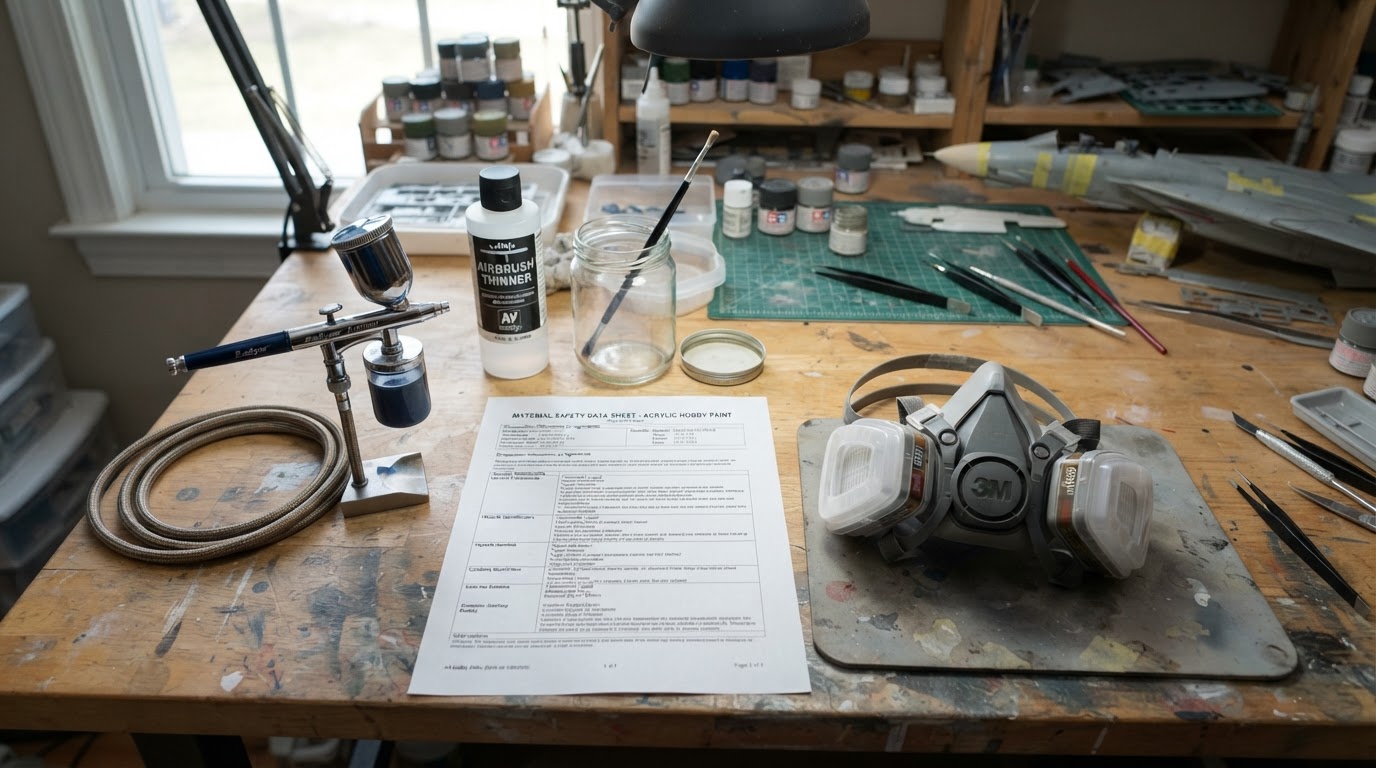
- The paint technical sheet for your exact product: the thinner or reducer it allows, its mixing proportions, and its recoat, cure and temperature limits.
- The airbrush manual for the pressure range the maker gives for your model and nozzle, plus the cleaning procedure for the nozzle, needle and air path.
- Your bench notes for needle and nozzle size and spraying distance.
PPG's orange peel page lists poor technique, gun distance, compressed air pressure, nozzle adjustment, film thickness, incorrect mixing or thinner, insufficient drying time between coats, cold air fanning, and ambient or surface temperature among the factors that keep droplets from coalescing. Use that list as variables to verify one at a time. It is automotive refinish guidance: the mechanism is worth understanding, but it is not a polishing recipe for a delicate plastic model, and compounding, wet sanding or polishing a model, or automotive reducers, are not safe general answers.
Change One Variable on Scrap
A controlled test is the fastest way to sort out airbrush orange peel, but set it up so the result means something. Where practical, use scrap that matches the model's substrate, primer and coating — a spare part from the same kit, or the same plastic with the same primer underneath. A paper or card spray-pattern test only shows atomization and pattern; it does not prove how paint levels on your primed model surface.
On that scrap, change exactly one variable per pass — distance, pressure within the maker's stated range, thinning per the sheet, film thickness — and keep the rest identical. Which variable matters most, and in what order to test them, depends on your paint, airbrush and conditions; no single pressure, ratio or sequence guarantees a fix. If the mix is the suspect, how to thin paint for an airbrush covers compatible thinners and starting ratios.
Give each test a completion standard before you start: a pass dries flat under raking light with the fine detail still crisp. Anything short of that means you change something else rather than adding more paint. Once the test card sprays the way you want, return to the model and build the coat in thin passes only as far as the maker's guidance allows; thin passes alone are not a complete correction for a coat that is already defective. If the model already carries a textured coat, let it reach the maker's cure state, then read that product's recoat and corrective instructions before touching it. What is possible then depends on the exact product, film and defect, not a universal rule.
Cause, Check and Stop: A Practical Table
What you see | Likely mechanism | Safe check | Stop when |
|---|---|---|---|
Even pebbling across the surface | Droplets not coalescing into a level film (PPG) | Distance, pressure inside the maker's range, film thickness, thinner per the sheet | A defect is visible; stop adding paint and check that product's recoat/cure instructions before corrective work |
Powdery, sandy feel | Droplets drying in flight | Distance, airflow and room temperature; test the spray pattern on scrap or card | The pattern stays uneven after the air path is cleaned |
Scattered craters with raised rims | Contamination | Clean the surface and air path as the makers direct | Do not flood the surface to cover it |
Large irregular blobs or streaks | Spray-pattern fault (spitting) | Test the pattern on scrap; inspect nozzle and needle per the manual | A damaged needle or nozzle; replace parts and never force them |
When to Stop Altogether
Some situations are not a mix problem. A persistent pattern fault after cleaning, or a coat that has already cured textured, are decisions a test card cannot answer — check the product's recoat, cure and corrective guidance, including whether recoating or another maker-approved route is allowed, before doing anything to the model. A cured texture is not automatically unrepairable, and no single online method applies to every coating. Stop before you damage detail: do not exceed the maker's pressure range, flood the surface, sand or machine-polish a delicate model as a reflex, or heat solvents and ignore ventilation guidance. A "non-toxic" label does not mean safe to spray in an enclosed space. Confirm the limits in the technical sheet and prefer the maker's recommendation over any single number you read online.